October 7, 2026
In the intricate world of arboriculture, managing the hazards associated with taking down large timber holds a pivotal role where safety and precision are paramount. Professional arborists are tasked with the challenge of dismantling towering and often unpredictable structures while protecting nearby property and ensuring their team's welfare. Understanding the inherent risks of tree removal is fundamental to the arborist's job. Although it may appear straightforward to a casual observer, dismantling a towering trunk is a complex and hazardous task that demands skilled handling. From specialized training to the use of modern equipment, professionals meticulously plan and execute each operation to minimize risk and maximize safety. A successful operation is a testament to an arborist's ability to combine technical expertise with strategic planning. Delving into the knowledge and practices that transform a potentially dangerous activity into a well-managed and effective process highlights the critical importance of preparation and execution in this essential service. When amateurs attempt this feat, the consequences can be devastating, which is why leaning on industry professionals remains the gold standard for property management.
Understanding Inherent Risks
An in-depth comprehension of potential threats is crucial for any arborist stepping onto a job site. Identifying hazards such as falling branches and entanglement with other foliage or structures is essential before beginning the process. Adding to the complexity, proximity to utility lines often requires coordination with relevant authorities to avoid power outages or electric shocks. These risks necessitate a comprehensive pre-assessment, where arborists use their expertise to foresee challenges that might arise. The environment plays a pivotal role, and it is not merely the immediate surroundings that matter. Weather conditions, for instance, are a vital factor; rain, wind, or storms can increase the danger of the activity, requiring postponements or additional safety measures. Wildlife inhabiting or relying on the branches needs to be considered to safeguard them during the project. Natural obstructions, including rocks or other foliage, are also assessed to ensure they do not impede the process. Ultimately, hazard identification is a continuous process that persists until the tree removal is safely completed. By thoroughly appraising the environment, arborists gauge the safest and most efficient approach to tackle the task, ensuring the safety of the workers and helping prevent unforeseen complications.
Utilizing Proper Equipment
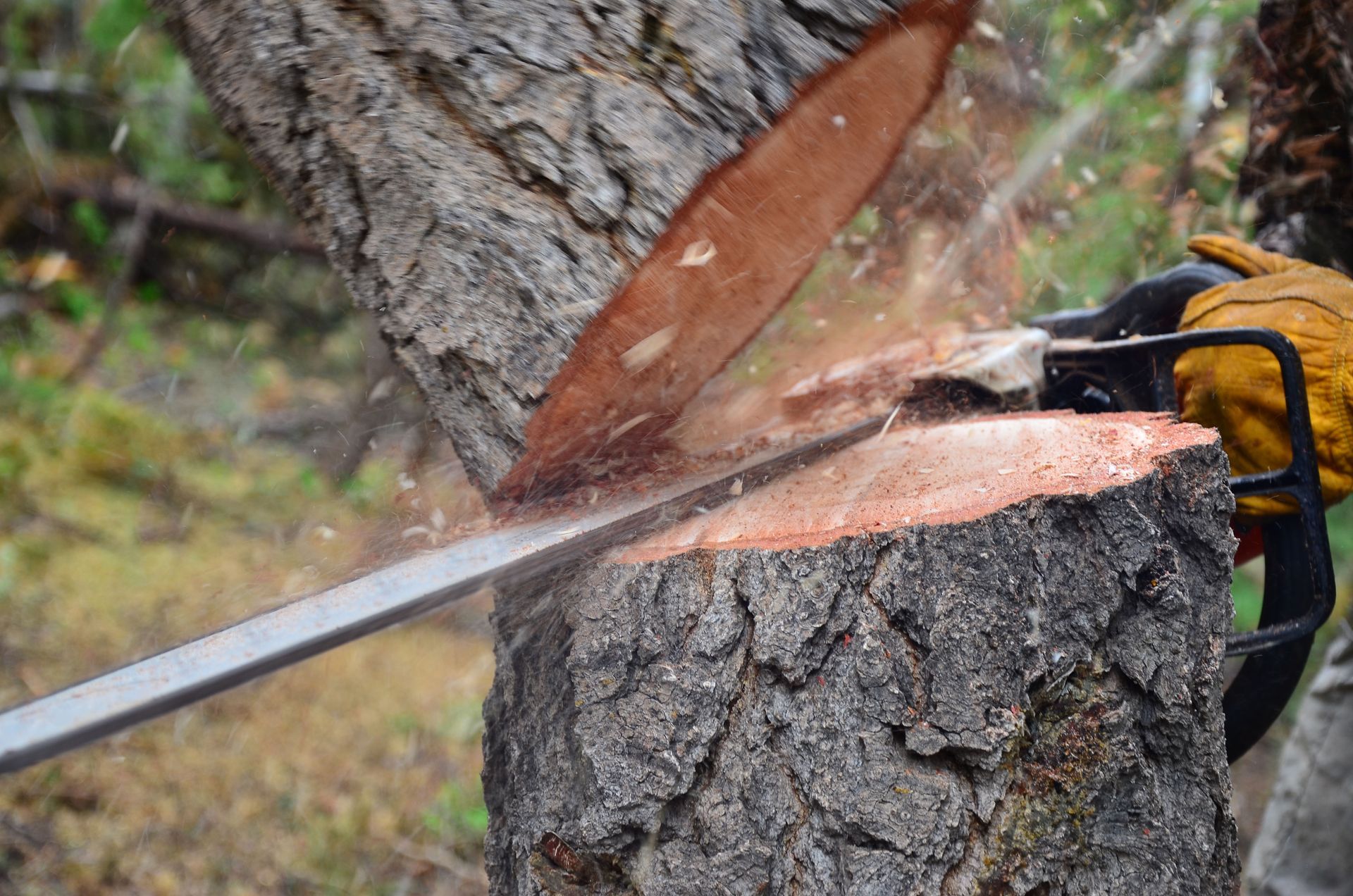
The choice of heavy machinery, chainsaws, and personal protective gear is crucial for safety on the site. Chainsaws with appropriate power and features minimize the risk of kickback and ensure precise cuts essential for controlled felling. Protective clothing provides necessary protection against common debris hazards. This combination of gear reinforces safety, allowing arborists to perform their jobs with reduced risk of injury. In scenarios where conventional methods are insufficient, cranes and hoists are utilized to access hard-to-reach areas safely. These pieces of heavy machinery enable arborists to navigate dense urban environments or steep terrains that would otherwise pose significant challenges. Cranes provide stability and control for removing large segments, reducing the risk to both the workers and the environment. According to This Old House, tree removal can take anywhere from 15 minutes to several hours, depending on the tree’s size and type. These advanced tools are vital for managing complex operations and optimizing the time spent on site. Ropes and rigging systems are also indispensable when it comes to securing and directing falls. These tools allow for controlled felling, ensuring that large sections fall in predetermined areas, minimizing risk to property and people.
Conducting Safety Training
Providing professionals with robust knowledge of safety measures and emergency response techniques prepares them for the various challenges they might face during an operation. This training encompasses recognizing hazards, understanding regulatory standards, and implementing best practices, ensuring arborists can adeptly navigate any hazardous scenario. Ongoing drills and exercises reinforce this knowledge, ensuring preparedness remains sharp over time. Skilled handling of specialized equipment is also critical for efficient and safe project execution. Arborists need to master the operation of chainsaws, cranes, rigging systems, and other tools to prevent accidents and ensure precision. Training programs that focus on these skills cultivate proficiency, helping professionals execute movements with confidence and accuracy. By understanding equipment capabilities and limitations, arborists make informed decisions that optimize safety and effectiveness. Furthermore, being equipped with medical aid and emergency certification provides life-saving skills in case of unforeseen incidents. The ability to administer immediate care during accidents can significantly impact outcomes, safeguarding the lives of colleagues and bystanders. Knowledge of basic medical response techniques empowers workers to address common injuries promptly, fostering a sense of preparedness within the team. Such expertise forms the backbone of any successful tree removal operation.
Implementing Safety Protocols
A systematic approach to identifying and managing potential hazards on a site is fundamental to the industry. The analysis begins with a breakdown of each task involved, pinpointing specific dangers and suitable precautionary measures. Arborists use this information to draw up clear guidelines, ensuring everyone on site is aware of safety procedures and emergency responses. This proactive approach is fundamental in preventing accidents, offering a structured format that uncovers and addresses risks before operations commence. Clear and constant communication among team members is also integral to the safe execution of tree removal operations. Establishing a communication plan ensures that vital information is shared promptly, minimizing misunderstandings and delays. Whether through the use of radios, hand signals, or verbal commands, maintaining open channels helps arborists coordinate their actions seamlessly. This cohesive approach allows teams to adapt swiftly to evolving conditions, fostering a secure and efficient working environment. Robust emergency procedures outline step-by-step actions to take in case of accidents or unforeseen events, ensuring a rapid and effective response. By rehearsing these scenarios regularly, the risk of chaos and panic is significantly reduced, fortifying the safety net arborists rely upon.
Executing Felling Techniques
Guiding the trunk to fall in a predetermined and safe direction requires a thorough understanding of the structural lean, weight distribution, and overall condition. Arborists make calculated notch and hinge cuts, allowing them to steer the fall trajectory effectively. Mastery of directional felling aligns with advanced safety protocols, protecting adjacent property and ensuring the well-being of crew members. In confined spaces such as urban environments or near power lines, segmenting involves dismantling the structure piece by piece, effectively managing height and debris fall. Arborists use tools like chainsaws, ropes, and rigging systems to lower each section methodically, ensuring precision and control. This approach harmonizes safety and efficiency, reflecting an adaptive methodology capable of meeting diverse site conditions. The identification of drop zones and escape routes is another critical component of the felling strategy, supporting the safe execution of tree removal operations. Drop zones are designated areas where the sections are intended to land, keeping them clear and marked to prevent any unintended intrusions. Escape routes, carefully plotted in advance, offer arborists a safe path away from falling debris. Properly identified zones and routes are paramount for success.
After the main event, a comprehensive evaluation of site conditions is vital to ensure thorough cleanup and safety. Arborists assess ground stability, particularly in recently cleared areas where root systems may have altered the soil composition. Debris such as branches, leaves, and sawdust is systematically cleared away, preventing trip hazards and leaving the area in pristine condition. This step not only enhances site aesthetics but also mitigates environmental impact, aligning with industry best practices. The disposal of material is a critical aspect of the cleanup process, necessitating efficient and environmentally friendly methods. Professionals determine the appropriate disposal pathway, opting for mulching, composting, or recycling, thereby reducing landfill contributions and promoting sustainability. By selecting green disposal options, professionals contribute positively to environmental conservation. Managing the dangers of this complex process requires a dedicated blend of skill, training, and specialized equipment that only qualified experts possess. Attempting these hazardous tasks without proper knowledge can lead to disastrous consequences for property and personal safety. When you need professional assistance with tree removal, trust the experts to handle the job safely and efficiently. Reach out to Cox's Tree Service today to learn more and schedule a consultation.